
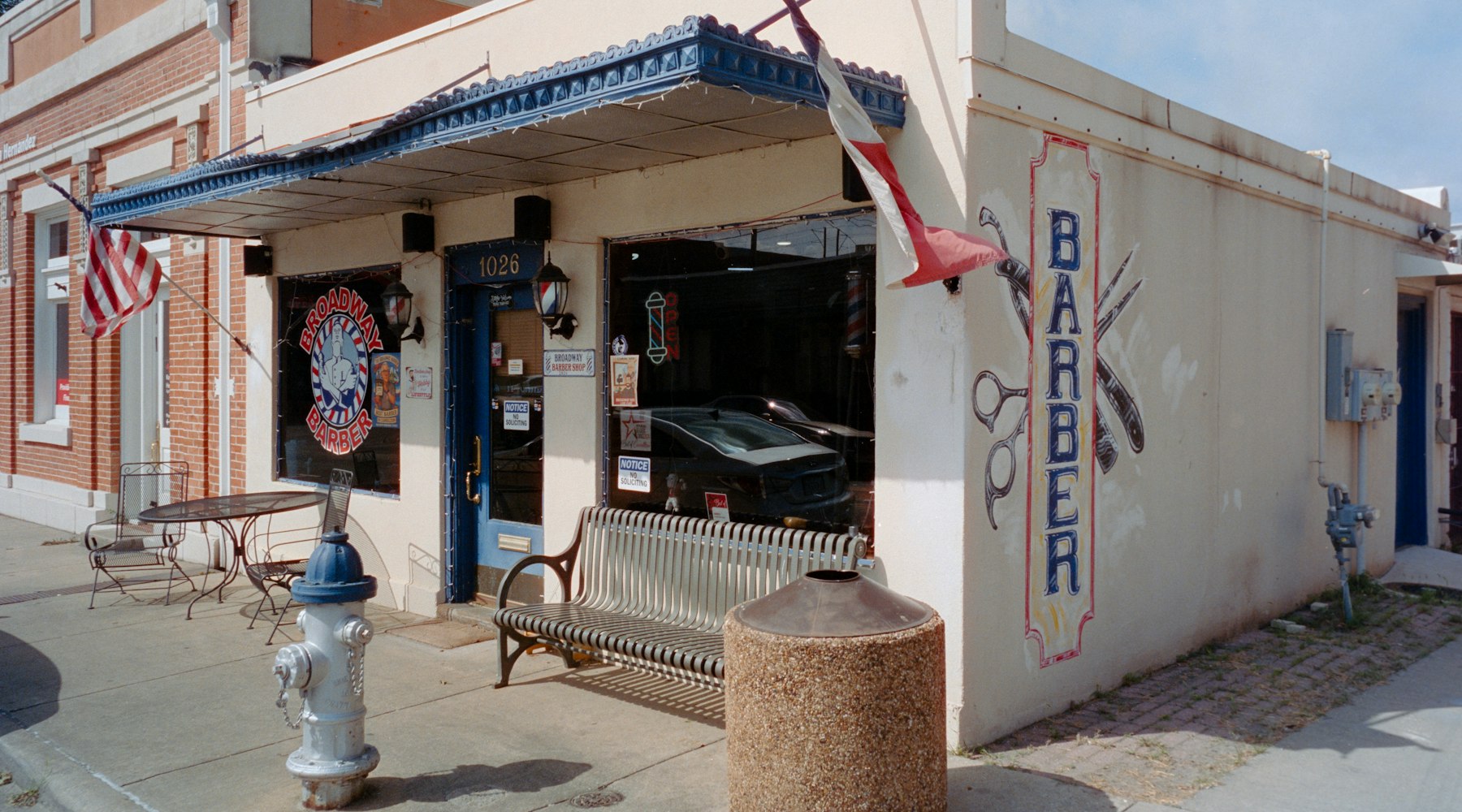
If you run an independent restaurant, retail shop, or service business, chances are most of your new customers find you one of two ways: someone recommended you, or they searched for what you do "near me" and you either showed up — or you didn't. That second path is local SEO, and it's more winnable than most owners think.
We run the same core checklist on every audit we do, whether it's a coffee shop or an event venue. None of it requires a redesign or a big budget. Here's what actually moves the needle.
1. Claim and fully complete your Google Business Profile
This is the single highest-leverage thing on this list. An unclaimed or half-filled-out profile is the number one reason otherwise great businesses don't show up in the map pack. At minimum, make sure your profile has:
- Accurate business name, address, and phone number — matching your website exactly
- Correct primary and secondary categories
- Real hours, including holiday hours
- At least 10 recent, high-quality photos
- A complete "from the business" description using natural language, not keyword stuffing
"NAP consistency" — your Name, Address, and Phone number matching everywhere online — is one of the quiet trust signals search engines use to decide whether you're a legitimate, established business.
2. Get consistent, recent reviews — and respond to all of them
Review count and recency both factor into local rankings, but the bigger win is often the response. A business that replies to reviews, good and bad, signals to both Google and potential customers that someone is actually paying attention.
A simple system beats a big campaign here: ask happy customers in the moment (a QR code at the register or a follow-up text works well), and respond to every new review within 48 hours.
3. Fix the technical basics on your website
Your Google Business Profile can only carry you so far — your website still needs to hold up its end. The most common issues we find during audits:
- Slow load times, especially on mobile
- Missing or duplicate title tags and meta descriptions
- No structured data (schema markup) for local business info
- Thin or missing location-specific content if you serve multiple areas
A quick way to check yourself
Search your business name plus your city in an incognito window. If your website doesn't appear in the first page, or your Google Business Profile shows outdated info, that's usually where to start.
Not sure where your business actually stands right now?
Get a Free Audit4. Build local citations and backlinks that actually matter
Getting listed accurately on directories like Yelp, Apple Maps, and industry-specific sites (OpenTable, TripAdvisor, or trade associations for your niche) helps reinforce the same trust signals as your Google profile. A mention or link from a local newspaper, chamber of commerce, or community blog tends to carry more weight than dozens of generic directory listings.
5. Keep it up — local SEO is a maintenance job, not a project
The businesses that win locally treat this as an ongoing habit: a new photo added monthly, reviews answered weekly, hours updated the moment they change. It's rarely one big fix — it's a lot of small, consistent ones compounding over time.
If you'd rather have someone else own this checklist for you, that's exactly what we do for our hospitality and local business clients — starting with a free, no-obligation audit of exactly where you stand today.